How Invisible Fears Took Hold in Togo
Togo’s history of collective fear is not dominated by one famous “mass hysteria” episode.
Page outline Jump by section
Introduction
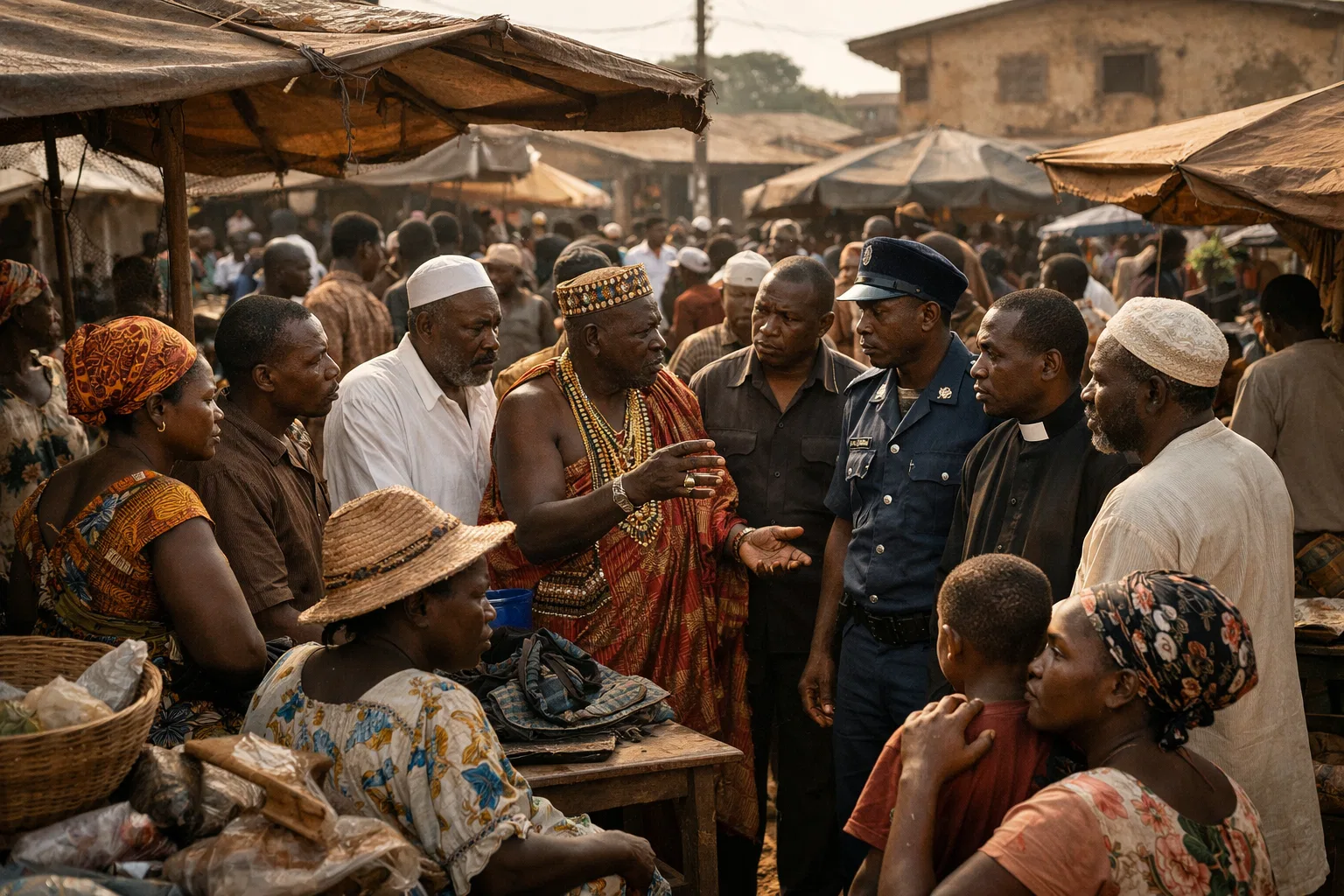
These subjects require careful distinctions. Traditional religions in Togo are living faiths, not evidence of panic or irrationality. Belief in spiritual causation is not itself abuse. Harm begins when a person is identified as the hidden cause of communal trouble, when fear spreads faster than verifiable evidence, or when religious and political authorities use supernatural claims to justify exclusion, coercion or violence. Togo therefore offers less a single spectacular scare than a social history of how anxiety can be organised around witchcraft, healing, possession and rumours of occult power.[state.gov]state.gov547499 TOGO 2023 INTERNATIONAL RELIGIOUS FREEDOM REPORTState DepartmentTOGO 2023 INTERNATIONAL RELIGIOUS FREEDOM…According to the U.S. government, the population is 42.3 percent Christian…
Why Togo does not fit the familiar “mass hysteria” story
There is little reliable evidence for a nationally significant Togolese equivalent of the Salem witch trials, the Tanganyika laughter epidemic or a well-documented school outbreak of mass psychogenic illness. Reports found during research are much stronger on witchcraft accusations, religious change and political rumour than on contagious fainting, dancing, screaming or unexplained illness.
That absence matters. It would be misleading to take any account of spirit possession, divination or traditional healing and recast it as “mass hysteria”. Such practices may be ordinary elements of religious life, therapeutic systems or community identity. Togo’s population includes Christians, Muslims and followers of traditional religions, while many people combine elements from more than one tradition. The state is constitutionally secular and formally protects religious exercise.[State Department]state.gov547499 TOGO 2023 INTERNATIONAL RELIGIOUS FREEDOM REPORTState DepartmentTOGO 2023 INTERNATIONAL RELIGIOUS FREEDOM…According to the U.S. government, the population is 42.3 percent Christian…
The more useful question is therefore not whether Togolese society experienced a single outbreak of collective madness. It is how shared fears of invisible harm became attached to particular people, movements and political events.
Anti-witchcraft movements crossed borders
Religion travelled with trade, migration and insecurity
In the late nineteenth and early twentieth centuries, anti-witchcraft movements spread across what are now Ghana, Togo and Benin. These were organised religious responses to fears that witches were causing sickness, infertility, failed harvests, unexplained deaths or sudden reversals of fortune. They offered diagnosis, protection, cleansing and a promise that hidden enemies could be identified.
Historians emphasise that these movements were not frozen remnants of an ancient past. They were innovative and mobile. Shrines, ritual specialists and protective systems travelled along commercial and migration routes, responding to the disruption produced by colonial conquest, labour movement, new forms of wealth and changing family authority. Research on movements such as Sakrabundi and Aberewa in neighbouring Ghana shows how an older ritual system could be reorganised into a rapidly expanding anti-witchcraft movement during early colonial rule.[Cambridge University Press & Assessment]cambridge.orgCambridge University Press & AssessmentSAKRABUNDI AND ABEREWA, 1889–1910by J PARKER · 2004 · Cited by 69 — This article examines the orig…
The Ewe-speaking region makes national borders especially misleading. Religious networks connected communities in present-day southern Togo with southeastern Ghana and Benin. Studies of the wider region describe several northern-derived protective and anti-witchcraft traditions that were locally grouped under broader religious categories and adapted to new circumstances. Some were associated with memories of slavery, displacement and relationships of dependence.[cambridge.org]cambridge.orgUniversity Press & Assessment IndexUniversity Press & Assessment Index
Protection could also produce accusation
Anti-witchcraft movements should not automatically be described as “cults” in the modern pejorative sense. For adherents, they could provide healing, solidarity and moral rules. They could help newcomers establish belonging or offer protection where colonial medicine and administration were distant or distrusted.
Yet the same system could intensify suspicion. A diviner’s diagnosis might transform a vague fear into an accusation against a relative, neighbour or social rival. Cleansing rituals could pressure accused people to confess, pay fees or accept humiliation. A movement promising to reveal hidden evil could also create demand for ever more revelations.
This dual character helps explain why colonial governments often reacted inconsistently. Officials dismissed African ritual systems as superstition, yet worried when large movements bypassed chiefs, moved across borders or claimed the authority to identify witches. Colonial law commonly tried both to suppress alleged witchcraft and to punish accusations, leaving administrators unable to recognise spiritual claims without legitimising persecution.[uni-muenchen.de]mpra.ub.uni-muenchen.deMunich Personal Re PEc Archive On the impact of the occult on state legitimacyMunich Personal Re PEc Archive On the impact of the occult on state legitimacy
Children accused of causing misfortune
The clearest modern panic-related harm documented in Togo concerns children accused of witchcraft. United Nations investigators and child-rights organisations have reported cases in which children were blamed for deaths, illness, family poverty or other misfortunes. The consequences could include rejection by relatives, forced exorcism, degrading treatment, abandonment or increased vulnerability to exploitation.[ohchr.org]ohchr.orgEnd of mission statement by MsUrmila Bhoola, Special…31 May 2019 — We were shocked to hear that accusations of witchcraft are often used as an excuse to expel undes…
A 2019 statement by the United Nations Special Rapporteur on contemporary forms of slavery noted that witchcraft accusations were sometimes used as a pretext to remove unwanted children from households. This is an important corrective to explanations that treat the problem only as a matter of religious belief. An accusation may express sincere fear, but it can also provide moral cover for disposing of a child considered costly, difficult, disabled or socially inconvenient.[OHCHR]ohchr.orgEnd of mission statement by MsUrmila Bhoola, Special…31 May 2019 — We were shocked to hear that accusations of witchcraft are often used as an excuse to expel undes…
Reports from organisations working in Togo describe children with disabilities, unusual behaviour, hyperactivity or exceptional abilities as particularly vulnerable to being interpreted as dangerous or supernaturally abnormal. Such accounts should be treated cautiously because detailed national statistics are scarce, but the broader concern is supported by United Nations records and child-protection programmes.[kinderrechte-afrika.org]kinderrechte-afrika.orgOpen source on kinderrechte-afrika.org.
How the accusation spreads
A witchcraft accusation usually develops through a chain of interpretation rather than a single dramatic rumour. A family suffers a death, illness, business failure or persistent conflict. Someone proposes a supernatural cause. A child’s behaviour, dream, disability or strained relationship is reinterpreted as evidence. A religious practitioner, healer or relative may then confirm the suspicion, sometimes during a highly emotional prayer or deliverance session.
Once the explanation is accepted, ordinary events appear to prove it. Denial becomes evidence of secrecy; fear becomes guilt; coincidence becomes a pattern. Other relatives may endorse the accusation because challenging it risks appearing indifferent to the family’s suffering. This is how a private suspicion can become a small-scale collective delusion without producing anything resembling a nationwide panic.
Research across Africa also connects the modern visibility of child-witch accusations to urban poverty, family fragmentation, illness, religious competition and the growth of ministries promising deliverance from spiritual attack. However, evidence varies greatly by country, and patterns documented in Nigeria or the Democratic Republic of the Congo should not simply be projected onto Togo. The Togolese record supports the existence of the problem, but not sensational regional estimates presented as national figures.[unicef.org]unicef.orgChildren Accused of WitchcraftChildren Accused of Witchcraft
When political fear took supernatural form
Togo’s most important documented episode of mass rumour occurred during the political crisis of 1991. As President Gnassingbé Eyadéma’s long authoritarian rule came under pressure, a National Conference attempted to strip power from the established regime and oversee a democratic transition. In this uncertain environment, stories circulated about hidden plots, supernatural protection, ritual power and the secret sources of presidential authority.
Historian Stephen Ellis argued that these rumours were not trivial gossip. They were a form of political knowledge in a country where official information was restricted, institutions were distrusted and major decisions were made behind closed doors. People used stories about magic, secret killings and invulnerability to explain how power actually worked when formal constitutional descriptions seemed inadequate.[Cambridge University Press & Assessment]cambridge.orgHowever, as you have access to this content, a full PDF is available via the 'Save PDF' action button…
Some accounts portrayed Eyadéma as protected by occult forces or as persecuting those suspected of using witchcraft against him. During the National Conference, allegations and stories that had previously circulated privately were voiced more openly, damaging the regime’s prestige. The important historical point is not whether every supernatural claim was literally believed or factually true. The rumours expressed a widely felt conviction that public power depended on concealed forces, coercive networks and information unavailable to ordinary citizens.[jstor.org]jstor.orgOpen source on jstor.org.
Rumour was rational in an opaque system
Calling these stories “mass hysteria” would miss their political logic. Rumour flourishes when events are consequential but verifiable information is scarce. In an authoritarian setting, people may rely on indirect speech, symbolic stories and supernatural explanation because direct accusations are dangerous.
Occult rumours also condensed real experiences. Togolese citizens had witnessed political repression, surveillance and unexplained violence. A story about magical immunity could express the apparently untouchable position of the ruler. A rumour of ritual sacrifice could stand in for the belief that human lives were being consumed to preserve the regime. The supernatural language was therefore not separate from politics; it dramatised unequal power.
At the same time, such stories could become self-reinforcing. Every failed challenge to the ruler appeared to confirm his invulnerability. Every unexplained death could be absorbed into the narrative. Fear of occult retaliation discouraged opposition, meaning that belief in hidden power could help produce the political obedience it seemed merely to describe. Scholars of African politics have consequently treated occult discourse not as an exotic curiosity but as one way political legitimacy and intimidation are constructed.[sciencedirect.com]sciencedirect.comOpen source on sciencedirect.com.
Traditional religion is not the panic
Public discussion of Togo often uses loose terms such as “voodoo”, “fetishism” or “cult”. These labels can blur crucial differences between established religion, harmful accusation and sensational outsider fantasy.
Traditional religious systems may include shrines, ancestors, divination, spirit possession, healing and protective rites. None of these automatically constitutes a scare. A possession ceremony, for example, may be structured, expected and socially meaningful rather than an uncontrolled psychological outbreak. A shrine offering protection from witchcraft may be an ordinary religious institution, even if researchers also examine how its authority affects accusations.
Likewise, “cult” has several incompatible meanings. Older academic writing sometimes used it neutrally for a body of ritual practice, as in “healing cult” or “anti-witchcraft cult”. Modern popular usage usually implies manipulation, coercive leadership or extreme separation from society. Applying the modern meaning retrospectively can falsely suggest that every minority shrine or new church was a dangerous organisation. More accurate terms include religious movement, shrine network, healing movement, deliverance ministry or anti-witchcraft movement, depending on the evidence.
The distinction also protects religious freedom. Measures against abuse should target assault, forced confinement, exploitation and the persecution of accused people—not traditional religion or minority churches as categories. International human-rights guidance stresses that governments must address harmful practices related to witchcraft accusations while respecting freedom of religion and belief.[ohchr.org]ohchr.orgaccusations of witchcraft and ritual attacksaccusations of witchcraft and ritual attacks
Why accusations become persuasive
No single theory explains every Togolese case, but several pressures recur.
Misfortune demands an explanation. Sudden death, chronic illness, infertility or economic collapse can feel intolerably arbitrary. Witchcraft identifies an agent and turns uncertainty into a story of cause and responsibility.
Families contain unresolved conflict. Accusations often follow tensions over inheritance, dependency, remarriage, care work or the cost of supporting a child. Supernatural language can convert material disputes into moral emergencies.
Difference becomes suspicious. Disability, unusual behaviour, mental distress or exceptional achievement may be read as signs that a person does not belong within accepted expectations.
Authorities validate fear. A diviner, pastor, healer, elder or political leader can give institutional force to a private suspicion. Once an authority confirms the claim, resistance becomes harder.
Secrecy prevents correction. Where institutions are distrusted and evidence is difficult to obtain, stories are judged by whether they fit existing fears rather than whether they can be independently verified.
These mechanisms do not mean that accusers are simply pretending. People may sincerely believe they are protecting a family or community. But sincerity does not make the diagnosis reliable, and it does not reduce the harm suffered by the accused.
What is firmly known—and what remains uncertain
The evidence supports several conclusions. Anti-witchcraft religious movements formed part of a wider regional history linking Togo with Ghana and Benin. Witchcraft accusations against children have been recognised by United Nations bodies and child-protection organisations as a genuine human-rights concern. Political rumours involving occult power played a significant role in how many Togolese understood the crisis of authoritarian rule and democratisation in 1991.[ed.ac.uk]research.ed.ac.ukBetween the Devil and the CrossBetween the Devil and the Cross
The evidence is much weaker for claims of secret nationwide sacrifice organisations, thousands of officially documented “cults”, or a classic Togolese epidemic of mass psychogenic illness. A 2015 country-of-origin inquiry, for example, found no reliable contemporary information confirming a purported powerful child-sacrifice organisation in Togo. That does not prove that no ritual crime has ever occurred; it shows why dramatic claims must not be repeated merely because they resemble familiar rumours.[ecoi.net]ecoi.net1 Togo – Researched and compiled by the Refugee1 Togo – Researched and compiled by the Refugee
National statistics on witchcraft accusations are also limited. Non-governmental projects provide valuable testimony but tend to document the people they encounter rather than the population as a whole. The safest account therefore avoids invented prevalence rates and concentrates on confirmed patterns: scapegoating, family rejection, coercive attempts at deliverance and the use of supernatural accusation to explain social crisis.
Why this history still matters
Togo shows that collective fear need not take the form of a screaming crowd or a sudden epidemic. It may operate quietly through families, prayer meetings, neighbourhood talk and political rumour. Its force comes from shared interpretation: enough people accept that an invisible danger exists, that a particular person embodies it, and that extraordinary action is justified.
The historical lesson is not that supernatural belief inevitably causes panic. It is that fear becomes dangerous when accusations are insulated from evidence and backed by authority. Colonial officials, postcolonial politicians, healers, churches and families have all occupied different positions within that process. Some have intensified suspicion; others have protected the accused or challenged abusive practices.
For Togo, the most revealing link between religious history, moral panic and political fear is therefore the struggle over who may define hidden danger. The person who can name the witch, interpret the rumour, diagnose the spirit or claim protection from unseen forces gains power over how a community understands misfortune. The lasting cultural importance of these episodes lies in that contest—not in lurid stories about an inherently superstitious society, but in the universal human temptation to turn uncertainty into accusation.
Amazon book picks
Further Reading
Books and field guides related to How Invisible Fears Took Hold in Togo. Use these as the next step if you want deeper reading beyond the article.

The Fortunes of Africa
Provides accessible background on colonialism, state formation and social disruption relevant to understanding modern fears in Togo.

The witch
Places Togolese witchcraft fears within a comparative history of how societies imagine and respond to hidden supernatural threats.
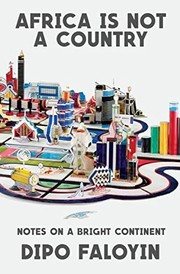
Africa Is Not a Country
Counters reductive portrayals of African religion and society, an important corrective when discussing witchcraft, possession and politic...
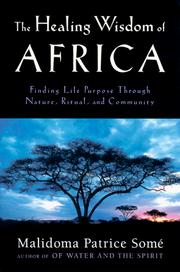
The healing wisdom of Africa
Offers a respectful account of spiritual and communal traditions, helping readers distinguish living religious systems from abusive accus...
Endnotes
1.
Source: state.gov
Title: 547499 TOGO 2023 INTERNATIONAL RELIGIOUS FREEDOM REPORT
Link:https://www.state.gov/wp-content/uploads/2024/04/547499-TOGO-2023-INTERNATIONAL-RELIGIOUS-FREEDOM-REPORT.pdf
Source snippet
State DepartmentTOGO 2023 INTERNATIONAL RELIGIOUS FREEDOM...According to the U.S. government, the population is 42.3 percent Christian...
2.
Source: cambridge.org
Link:https://www.cambridge.org/core/journals/africa/article/rumour-and-power-in-togo/D779384D459CCAA603999E9DC9CA5EDE
Source snippet
However, as you have access to this content, a full PDF is available via the 'Save PDF' action button...
3.
Source: ohchr.org
Title: End of mission statement by Ms
Link:https://www.ohchr.org/en/statements/2019/05/end-mission-statement-ms-urmila-bhoola-special-rapporteur-contemporary-forms
Source snippet
Urmila Bhoola, Special...31 May 2019 — We were shocked to hear that accusations of witchcraft are often used as an excuse to expel undes...
Published: May 2019
4.
Source: state.gov
Title: 441219 TOGO 2022 INTERNATIONAL RELIGIOUS FREEDOM REPORT
Link:https://www.state.gov/wp-content/uploads/2023/05/441219-TOGO-2022-INTERNATIONAL-RELIGIOUS-FREEDOM-REPORT.pdf
Source snippet
State DepartmentTOGO 2022 INTERNATIONAL RELIGIOUS FREEDOM...The constitution specifies the state is secular and protects the rights of a...
5.
Source: cambridge.org
Link:https://www.cambridge.org/core/journals/journal-of-african-history/article/witchcraft-antiwitchcraft-and-transregional-ritual-innovation-in-early-colonial-ghana-sakrabundi-and-aberewa-18891910/FE5B4DD01E1FF23EC9F839BDAC3BF0F6
Source snippet
Cambridge University Press & AssessmentSAKRABUNDI AND ABEREWA, 1889–1910by J PARKER · 2004 · Cited by 69 — This article examines the orig...
6.
Source: cambridge.org
Link:https://www.cambridge.org/core/journals/africa/article/northern-gothic-witches-ghosts-and-werewolves-in-the-savanna-hinterland-of-the-gold-coast-1900s1950s/FD460DA4522EDA4AEA89EF068B8447AE
Source snippet
Cambridge University Press & AssessmentNorthern Gothic: Witches, Ghosts and Werewolves in the...by J Parker · 2006 · Cited by 49 — This...
7.
Source: cambridge.org
Title: University Press & Assessment Gods from the North, c
Link:https://www.cambridge.org/core/books/slavery-memory-and-religion-in-southeastern-ghana-c1850present/gods-from-the-north-c-1910c-1940/BE1A6C1C06107CFB3CD5972A1D5066E5
Source snippet
1910–c. 1940 (Chapter 6)The burgeoning interest in anti-witchcraft techniques in the forest belt can be attributed to the sudden rise in...
8.
Source: cambridge.org
Title: University Press & Assessment Index
Link:https://www.cambridge.org/core/books/slavery-memory-and-religion-in-southeastern-ghana-c1850present/index/80E75CB944D2BBD290BF226427C9BC31
9.
Source: ssoar.info
Link:https://www.ssoar.info/ssoar/bitstream/handle/document/55638/ssoar-worlddevelopment-1996-8-kohnert-Magic_and_Witchcraft_Implications_for.pdf?isAllowed=y&sequence=1
10.
Source: cambridge.org
Link:https://www.cambridge.org/core/journals/journal-of-african-history/article/capitalism-chaos-and-christian-healing-faith-tabernacle-congregation-in-southern-colonial-ghana-191826/71635F05278B95E5E3B85EB82C1F9DFA
11.
Source: open.unicef.org
Link:https://open.unicef.org/sites/transparency/files/documents/4230A004409006000.pdf
12.
Source: ohchr.org
Title: human rights council adopts outcomes universal periodic review ireland togo
Link:https://www.ohchr.org/en/press-releases/2012/03/human-rights-council-adopts-outcomes-universal-periodic-review-ireland-togo
13.
Source: kinderrechte-afrika.org
Link:https://www.kinderrechte-afrika.org/english/recently-concluded-projects/togo-children-accused-of-witchcraft/
14.
Source: ohchr.org
Link:https://www.ohchr.org/Documents/HRBodies/CEDAW/HarmfulPractices/PlanInternational.pdf
15.
Source: docstore.ohchr.org
Link:https://docstore.ohchr.org/SelfServices/FilesHandler.ashx?enc=Dn9ThREsXzoCYl%2BTcaAPdWjTdso0qBWt19%2BiUkKPnZyC6w26hSQhdSN921f6jznOG9ipwNMRDNZdZdaQBt6S8Q%3D%3D
16.
Source: unicef.org
Title: Children Accused of Witchcraft
Link:https://www.unicef.org/nigeria/media/1326/file/%20Children-accused-of-witchcraft-in-Africa.pdf.pdf
17.
Source: jstor.org
Link:https://www.jstor.org/stable/1161002
18.
Source: sciencedirect.com
Link:https://www.sciencedirect.com/science/article/pii/0305750X96000459
19.
Source: ohchr.org
Title: accusations of witchcraft and ritual attacks
Link:https://www.ohchr.org/sites/default/files/2022-12/PAP-Guidelines-EN.pdf
20.
Source: ecoi.net
Title: 1 Togo – Researched and compiled by the Refugee
Link:https://www.ecoi.net/en/file/local/2005621/99273.pdf
21.
Source: jstor.org
Link:https://www.jstor.org/stable/26368590
22.
Source: jstor.org
Link:https://www.jstor.org/stable/161402
23.
Source: jstor.org
Link:https://www.jstor.org/stable/4100752
24.
Source: jstor.org
Link:https://www.jstor.org/stable/4392259
25.
Source: jstor.org
Link:https://www.jstor.org/stable/1581509
26.
Source: jstor.org
Link:https://www.jstor.org/stable/43908389
27.
Source: jstor.org
Link:https://www.jstor.org/stable/10.1086/423974
28.
Source: jstor.org
Link:https://www.jstor.org/stable/10.14321/jwestafrihist.5.1.0001
29.
Source: jstor.org
Link:https://www.jstor.org/content/pdf/oa_book_monograph/10.5325/j.ctt1wf4cr0.pdf
30.
Source: jstor.org
Link:https://www.jstor.org/stable/23356106
31.
Source: cambridge.org
Link:https://www.cambridge.org/core/journals/africa/article/on-representation-and-power-portrait-of-a-vodun-leader-in-presentday-benin/26E0D49FA664763F014DD9A7A717A7AB
32.
Source: resolve.cambridge.org
Link:https://resolve.cambridge.org/core/services/aop-cambridge-core/content/view/6C9FB0C3F068B651A122B3D07E72941B/9781316257852bib_p215-228_CBO.pdf/bibliography.pdf
33.
Source: cambridge.org
Link:https://www.cambridge.org/core/journals/comparative-studies-in-society-and-history/article/witchcraft-shamanism-and-nostalgia-a-review-essay/E94CB766F63E97AC7E89ED57AB3AE1EF
34.
Source: cambridge.org
Link:https://www.cambridge.org/core/books/slavery-memory-and-religion-in-southeastern-ghana-c1850present/dance-of-alegba-anloewe-religion/60FC8796E07E15B281225B2D83ABC4E0
35.
Source: cambridge.org
Link:https://www.cambridge.org/core/books/black-catholic-worlds/healing-and-ritual-on-the-move/524B4EA435169A4DDCFE03D97FF5069C
36.
Source: 2021-2025.state.gov
Link:https://2021-2025.state.gov/reports/2023-report-on-international-religious-freedom/kenya/
37.
Source: state.gov
Title: 2023 report on international religious freedom
Link:https://www.state.gov/reports/2023-report-on-international-religious-freedom
38.
Source: state.gov
Link:https://www.state.gov/reports/2023-report-on-international-religious-freedom/lesotho
39.
Source: 2021-2025.state.gov
Title: international religious freedom reports
Link:https://2021-2025.state.gov/international-religious-freedom-reports/
40.
Source: state.gov
Title: trinidad and tobago
Link:https://www.state.gov/reports/2023-report-on-international-religious-freedom/trinidad-and-tobago
41.
Source: 2021-2025.state.gov
Link:https://2021-2025.state.gov/reports/2023-report-on-international-religious-freedom/guinea/
42.
Source: state.gov
Title: cote divoire
Link:https://www.state.gov/reports/2023-report-on-international-religious-freedom/cote-divoire
43.
Source: state.gov
Title: united kingdom
Link:https://www.state.gov/reports/2023-report-on-international-religious-freedom/united-kingdom
44.
Source: 2021-2025.state.gov
Link:https://2021-2025.state.gov/reports/2023-report-on-international-religious-freedom/gambia/
45.
Source: ohchr.org
Title: togo must step efforts end worst forms child labour 2025 un expert
Link:https://www.ohchr.org/en/press-releases/2019/05/togo-must-step-efforts-end-worst-forms-child-labour-2025-un-expert
46.
Source: ohchr.org
Title: committee rights child examines report ghana
Link:https://www.ohchr.org/en/press-releases/2015/05/committee-rights-child-examines-report-ghana
47.
Source: ohchr.org
Title: committee rights child concludes thirty seventh session
Link:https://www.ohchr.org/en/press-releases/2009/10/committee-rights-child-concludes-thirty-seventh-session
48.
Source: docstore.ohchr.org
Title: Files Handler.ashx
Link:https://docstore.ohchr.org/SelfServices/FilesHandler.ashx?enc=CzhiyAK3RsTRlNuoL4sGf6h7UMI3mUQknL3O4PsXVm1LHWQ9Z6BRgDVju97bVa0EY9hbjvMSXQ2yuq4sVt0Lsw%3D%3D
49.
Source: ohchr.org
Title: Albinism Worldwide Report 2021 EN
Link:https://www.ohchr.org/sites/default/files/2022-12/Albinism-Worldwide-Report-2021-EN.pdf
50.
Source: tbinternet.ohchr.org
Title: Download Draft.aspx
Link:https://tbinternet.ohchr.org/_layouts/15/TreatyBodyExternal/DownloadDraft.aspx?key=anq%2Fj3V51Lux+A0rKzScUZT9%2F1SLI5h5mG1Qd7WoW+y+HwSVpnmAm5KCNZJshH
51.
Source: unicef.org
Link:https://www.unicef.org/ghana/media/4521/file/Understanding%20Vulnerability%20and%20Exclusion%20in%20Ghana%2C%20October%202022.pdf
52.
Source: history.com
Title: salem witch trials hysteria factors
Link:https://www.history.com/articles/salem-witch-trials-hysteria-factors
53.
Source: research.ed.ac.uk
Title: Between the Devil and the Cross
Link:https://www.research.ed.ac.uk/files/14136868/Between_the_Devil_and_the_Cross.pdf
54.
Source: mpra.ub.uni-muenchen.de
Title: Munich Personal Re PEc Archive On the impact of the occult on state legitimacy
Link:https://mpra.ub.uni-muenchen.de/111582/1/MPRA_paper_111582.pdf
55.
Source: resourcecentre.savethechildren.net
Link:https://resourcecentre.savethechildren.net/document/children-accused-witchcraft-anthropological-study-contemporary-practices-africa
56.
Source: mpra.ub.uni-muenchen.de
Link:https://mpra.ub.uni-muenchen.de/978/
57.
Source: mpra.ub.uni-muenchen.de
Link:https://mpra.ub.uni-muenchen.de/111553/
58.
Source: mpra.ub.uni-muenchen.de
Link:https://mpra.ub.uni-muenchen.de/111475/
59.
Source: journals.openedition.org
Link:https://journals.openedition.org/asr/pdf/1211
60.
Source: journals.openedition.org
Link:https://journals.openedition.org/etudesafricaines/pdf/22438
61.
Source: journals.openedition.org
Link:https://journals.openedition.org/etudesafricaines/pdf/1599
62.
Source: journals.openedition.org
Link:https://journals.openedition.org/span/pdf/642
63.
Source: journals.openedition.org
Link:https://journals.openedition.org/conflits/pdf/51
64.
Source: journals.openedition.org
Link:https://journals.openedition.org/apad/pdf/197
65.
Source: acp-uk.org
Link:https://www.acp-uk.org/en/togo
66.
Source: Wikipedia
Title: Mass psychogenic illness
Link:https://en.wikipedia.org/wiki/Mass_psychogenic_illness
67.
Source: Wikipedia
Link:https://en.wikipedia.org/wiki/Togo
68.
Source: assets.publishing.service.gov.uk
Link:https://assets.publishing.service.gov.uk/media/57a08beaed915d3cfd00103e/WP17.pdf
Additional References
69.
Source: youtube.com
Title: VOODOO IN TOGO: MOMENTS WITH A VOODOO PRIEST (DOCUMENTARY)
Link:https://www.youtube.com/watch?v=SG9m7DhDQ6Y
Source snippet
Exploring the Mysteries of Voodoo, JuJu and Witchcraft in Lome, Togo...
70.
Source: researchgate.net
Link:https://www.researchgate.net/publication/231979854_Witchcraft_anti-witchcraft_and_trans-regional_ritual_innovation_in_early_colonial_Ghana_Sakrabundi_and_Aberewa
71.
Source: researchgate.net
Link:https://www.researchgate.net/publication/271759288_Mass_hysteria_among_South_African_primary_school_learners_in_Kwa-Dukuza_KwaZulu-Natal
72.
Source: researchgate.net
Link:https://www.researchgate.net/publication/342898556_Who%27s_the_witch_Social_exclusion_of_older_Mossi_women_accused_of_Witchcraft_in_Burkina_Faso_Africa
73.
Source: semanticscholar.org
Link:https://www.semanticscholar.org/paper/Anti-Witchcraft-Cults-in-Asante%3A-An-Essay-in-the-of-Mccaskie/f5b7d040fc724e3a54c1cb2f7e888ccff927d812
74.
Source: scilit.com
Link:https://www.scilit.com/publications/c531be5ac8d235e42eaf045452edb7cd
75.
Source: researchgate.net
Link:https://www.researchgate.net/figure/Ashforth-2014Why-Humanitarian-Concerns-About-Witchcraft-Violence-in-Africa-are_fig4_341655338
76.
Source: reddit.com
Link:https://www.reddit.com/r/exjw/comments/1j12yzm/doomsday_cults_through_the_centuries/
77.
Source: facebook.com
Link:https://www.facebook.com/BBCnewsafrica/posts/exactly-20-years-ago-700-people-were-locked-inside-a-church-in-uganda-and-it-was/10158447019940229/?locale=hi_IN
78.
Source: fieldepidemiology.org
Link:https://fieldepidemiology.org/index.php/ajfe/article/download/7807/6435/21437
Topic Tree
Follow this branch
Related pages 192
- Antigua and Barbuda
- Argentina Belief Scares
- Azerbaijan Belief
- Bahrain Beliefs
- North Korea
- +187 more in sidebar